From the robot’s movements to process intelligence
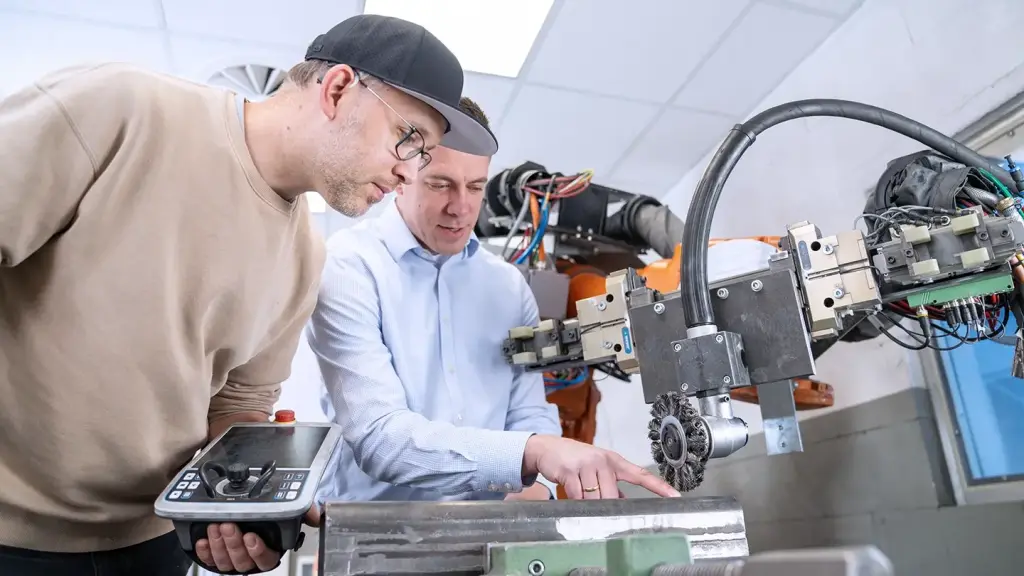
Successful automation projects follow a clear structure – they are based on a systematic analysis and assessment of the process as a whole.
Professionals don’t just look at the movements that the robot makes, they:
- Analyze the existing machining process.
- Identify critical influencing factors.
- Assess the level of wear and what impact it has.
- Define stable process windows.
- Coordinate the tool, drive and application in a targeted way.
This results in reliable processes that remain stable, even under real-life production conditions.
Process intelligence requires experience
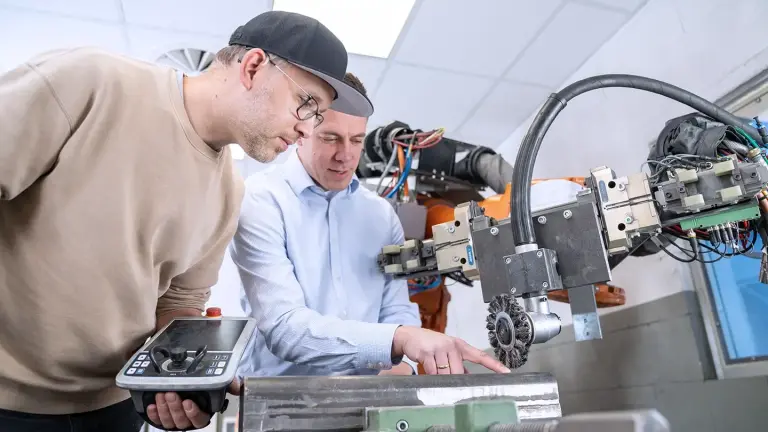
PFERD TOOLS combines decades of experience in manual processes with an in-depth understanding of automated applications.
This expertise is incorporated into our:
- Development of tools and drives that are suitable for use with robots.
- Analysis of real process conditions.
- Structured support for automation projects.
Our mission isn’t just to automate processes, but design them to be stable for the long term – not simply as a tool manufacturer, but as your partner for reliable automated solutions.
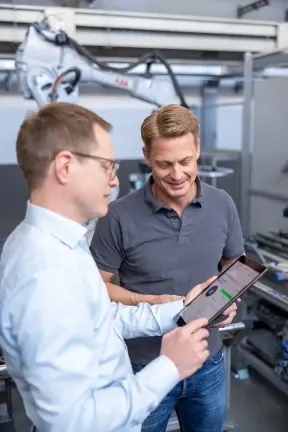
PFERD TOOLS is your experienced process partner and provides everything you need:

Knowledge of tools

Understanding of the process
Experience in automated solutions
The perfect match – it’s all about having the right combination
When it comes to automated processes, people often focus on the programming and robotics. However, this means a key factor is often overlooked – how the tool and spindle are coordinated with one another.
In practice it is clear that even a stable process can become unstable if these two components do not optimally interact.
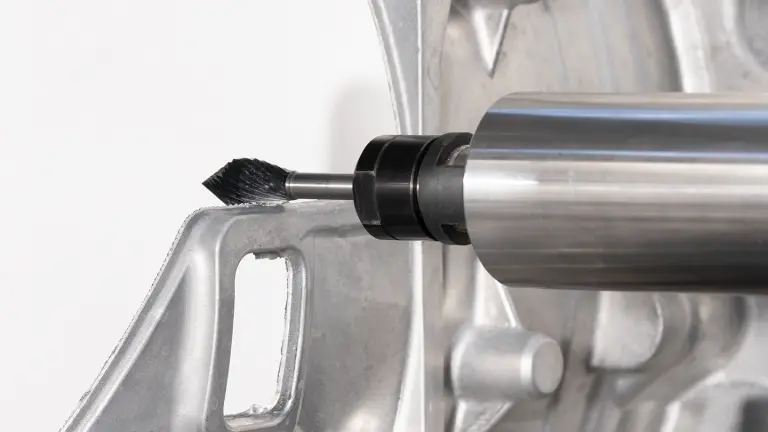
Based on our experience in manual and automated processes, we have put together tried-and-tested combinations of tools and spindles for typical applications. They take into account real operating conditions, typical process requirements, and combinations that have been proven to work in practice.

Download
Let’s discuss your process
Whether you’re planning to take your first steps into the world of automation or have existing robot processes that you want to optimize – it all comes down to having an in-depth understanding of how the process works.